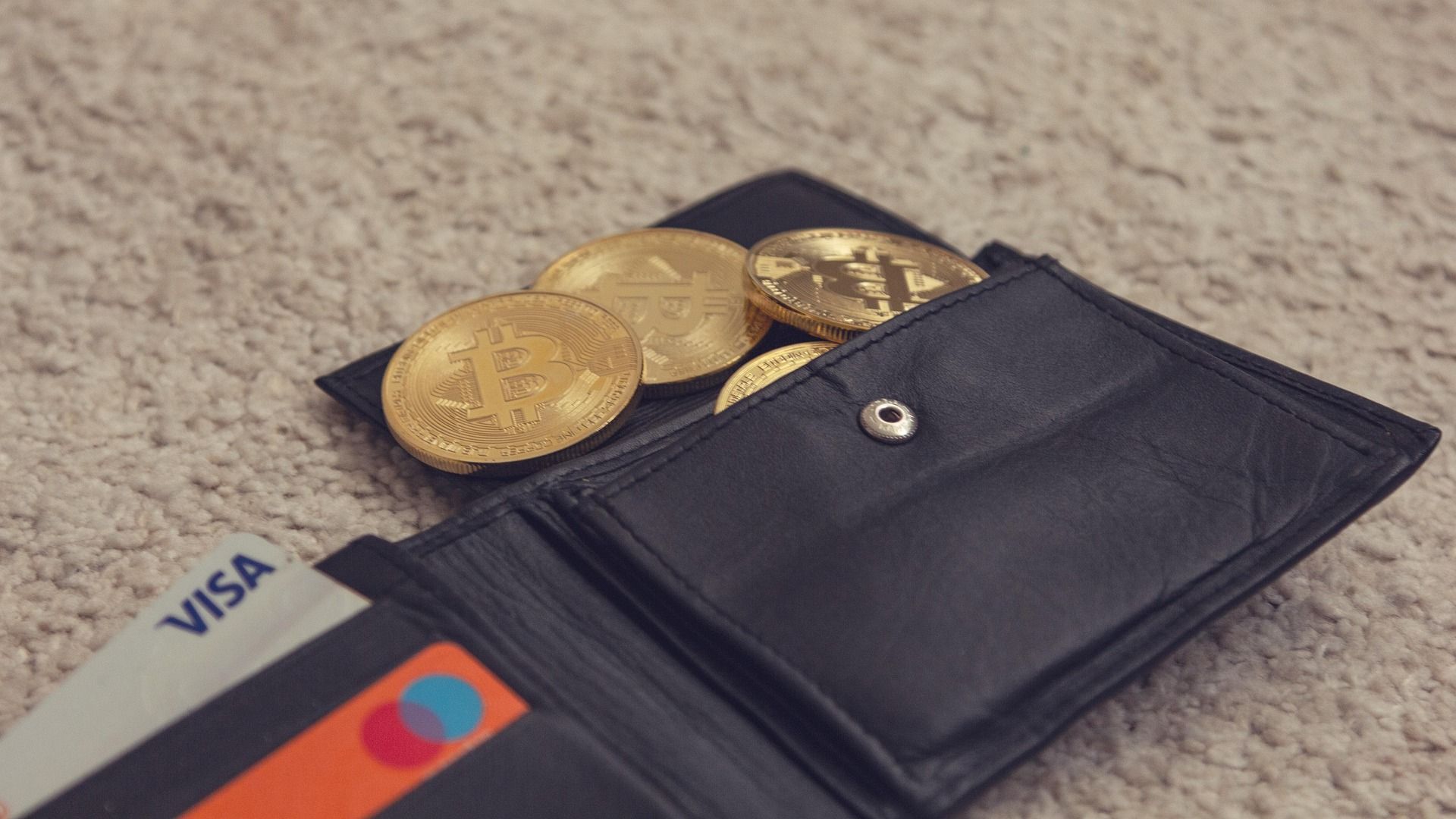
Buy crypto in Hong Kong: the best exchanges, ATMs and cash counters compared
Thirteen platforms hold an SFC licence, more than 220 Bitcoin ATMs hum away in laundromats and malls, and around 200 walk-in shops still trade coins for cash. Here is what each route costs, which ones protect you — and what you'll find in your own district.
Operating since 2013 · Card & Apple Pay · Registered in the US, Gibraltar and Spain Why this pick?
- 220+Bitcoin ATMs
- 0%capital gains tax
- FPSHKD deposits at licensed venues

Four ways to buy crypto in Hong Kong
Each route trades speed, cost, privacy and protection differently. Start with the one that matches how you want to pay.
Buying bigger tickets? See OTC desks and brokers. Trading person to person? Read our P2P crypto guide first — it can get your bank account frozen.
Best crypto exchanges and apps in Hong Kong
Licence status first, then fees, HKD funding and coin choice. Links go to each platform's official site.
The short answer
If you live in Hong Kong and want the protected route, open an account with an SFC-licensed platform, deposit Hong Kong dollars by FPS and buy Bitcoin or Ether there. If you want coins in the next ten minutes and accept the trade-offs, buy with a card on an international exchange. And if you insist on cash, a Bitcoin ATM or a walk-in counter will take your notes — at a price.
That is really the whole map. Everything else on this site is detail: which licensed platforms retail customers can actually use, what a laundromat ATM in Tuen Mun charges compared with a counter on Nathan Road, why your bank might freeze an account after a P2P trade, and what the 2025 Stablecoins Ordinance did to the old habit of swapping USDT for cash in Tsim Sha Tsui.
Hong Kong is unusual. It is one of very few places where a regulator licenses crypto exchanges for ordinary retail investors, a stock exchange lists spot Bitcoin ETFs, two banks hold stablecoin issuer licences — and yet a cash economy of machines and upstairs shops keeps running alongside, largely outside the licensing net. Knowing which world you are stepping into is the most useful thing you can do before spending a single dollar.
Licensed platforms: what the SFC licence actually buys you
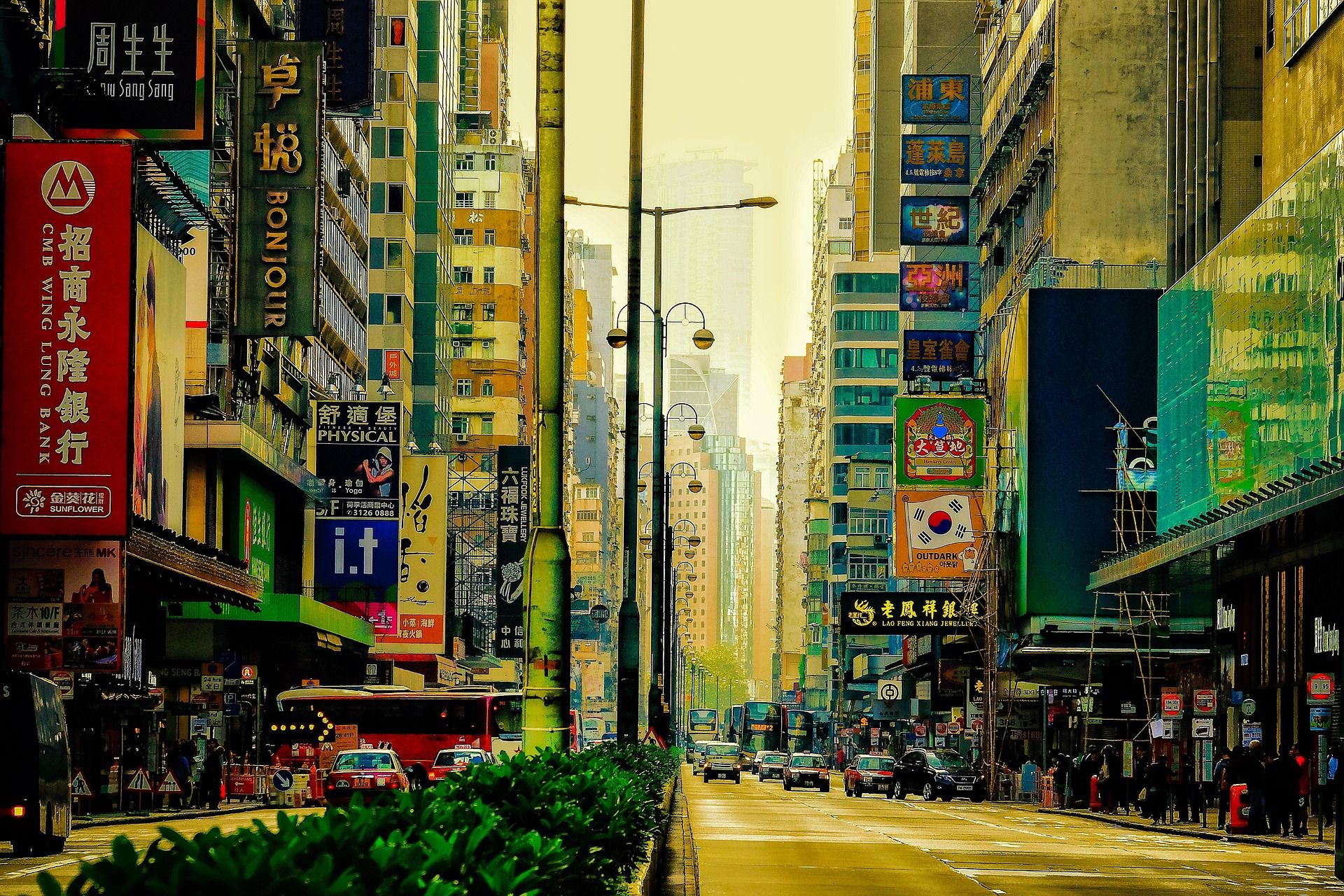
Since 1 June 2023, anyone running a virtual asset trading platform in Hong Kong — or actively marketing one to Hong Kong investors — needs a licence from the Securities and Futures Commission under Part 5B of the Anti-Money Laundering and Counter-Terrorist Financing Ordinance. Platforms that had not applied by the end of February 2024 had to wind down their Hong Kong business by 31 May 2024. That deadline is why OKX, Bybit, Gate and Huobi withdrew their applications and why their terms now list Hong Kong as a restricted location.
A licence is not a stamp of approval on the coins; it is a set of obligations on the operator. Client assets must be held in trust, almost entirely in cold storage. Retail customers may only trade "eligible large-cap" tokens that appear in at least two acceptable indices from two independent index providers, must pass a knowledge assessment and face exposure limits set against their risk profile. In practice that means Bitcoin, Ether and a short list of others — OSL, for instance, opened XRP to retail only in July 2026. If you want long-tail altcoins, a licensed Hong Kong platform will frustrate you. If you want a counterparty the SFC can walk into and inspect, nothing else comes close.
The two names most people end up with are HashKey Exchange, whose parent listed on HKEX in December 2025, and OSL, the city's first licensed venue and the operator behind a large OTC desk. Both take HKD by FPS or eDDA. Stock investors often never open a separate account at all: Futu and Tiger Brokers route crypto orders to their own group platforms, while ZA Bank and Mox plug into HashKey from inside the banking app. Our full list of licensed crypto exchanges shows every operator, its CE number and what retail clients can do there.
Card, FPS or bank app: the fastest route
Speed depends on whether you have been verified before. On a licensed platform, the first deposit is the slow part: identity checks, proof of address, a suitability questionnaire and the knowledge test can take anywhere from an evening to a few working days. After that, an FPS transfer usually lands within minutes and you can buy immediately. Bank apps feel quicker because your identity is already on file — the catch is the price. ZA Bank charges a 0.8% platform fee with a HK$15 minimum per order, and Mox reportedly charges 1.25% (0.5% for its Elite tier); neither lets you move coins out to your own wallet.
International exchanges win on raw speed. On CEX.IO, which has operated since 2013 and is registered as a money services business with FinCEN in the United States and licensed as a DLT provider in Gibraltar, a Hong Kong resident can sign up, verify and pay by Visa, Mastercard, Apple Pay or Google Pay in one sitting. Card fees run from 0.49% to 4.99% plus a service charge, and new customers are capped at US$1,000 a day. It is not licensed by the SFC and Hong Kong clients contract with its international entity, so you are trading convenience and a wider coin list for local investor protection. Our quickest-way guide times every route side by side.
Want your first coins tonight?
Card and Apple Pay purchases settle in minutes. Compare the fees above, then decide.
Operating since 2013 · Card & Apple Pay · Registered in the US, Gibraltar and Spain · Why this pick?Buying Bitcoin with cash: ATMs and 找換店
Hong Kong's cash crypto scene is bigger than most visitors expect. Coin ATM Radar counted 147 machines in April 2022; by November 2025 media quoting the same tracker put the figure at 223. The largest network, CoinHero, lists about 100 locations on its own map — 24 on Hong Kong Island, 35 in Kowloon and 41 in the New Territories — followed by CoinUnit with 70-plus, the Australian operator Localcoin, and newer arrivals such as Bitcoin Depot. Most machines sit inside 24-hour laundromats, claw-machine arcades and small malls, and most only sell you coins; they will not buy them back.
Machines are convenient and expensive. CoinHero's own FAQ lists a 13% fee plus HK$100 per purchase on Bitcoin, and only eight of its roughly hundred sites let you sell for cash (our check of its locator on 30 September 2026). CoinUnit's machines take only HK$500 and HK$1,000 notes. Above HK$100,000 you will be asked for a phone number, ID and a selfie. Our Bitcoin ATM guide lists the operators, fees and every machine that pays out cash.
| Route | Typical cost | Speed | KYC | Protection |
|---|---|---|---|---|
| Licensed platform (FPS) | 0–0.3% + spread | Minutes after onboarding | Full | SFC-licensed |
| Bank / broker app | 0.05–1.25% + minimum fee | Minutes | Already done | Via licensed venue |
| International exchange (card) | 0.49–4.99% card fee | Minutes | Full | Offshore rules |
| Bitcoin ATM | 6–13% + fixed fee | Instant | Phone/ID above limits | Not licensed yet |
| Walk-in OTC shop | Spread, often 0.5–3% | Instant | Varies by shop | Not licensed yet |
Walk-in shops are the other half. The government's 2024 consultation estimated around 200 physical crypto OTC outlets (ATMs included) and roughly 250 online dealers. They cluster along the Nathan Road corridor: a single building at 608 Nathan Road in Mong Kok holds a dozen or so counters, Chungking Mansions in Tsim Sha Tsui has several more, and Causeway Bay is the busiest spot on the Island. None of them is licensed for virtual asset dealing today. A new SFC dealer regime — HK$5 million paid-up capital, licensed custody, no transition period — was due to be introduced to the Legislative Council in 2026 but had not been tabled by late September. Read our crypto shop guide before you carry cash anywhere.
Selling crypto and cashing out to HKD
Selling is where routes differ most. The cleanest path is to sell on a licensed platform and withdraw Hong Kong dollars to your own bank account by FPS; the money normally arrives within minutes and your bank sees a transfer from a regulated counterparty. Sell-capable ATMs exist but are scarce and charge heavily. Shops will hand you banknotes for USDT or Bitcoin, which is exactly why they are targets: in December 2025 men with knives tried to rob a shop owner at 608 Nathan Road, and Sheung Wan's money-changer strip has seen several cash-in-transit robberies since.
Peer-to-peer trades look cheap but carry a specific Hong Kong risk: if the buyer paid you with money from a fraud, your bank can freeze the receiving account. Police broke up a HK$118 million laundering ring in May 2025 that used more than 500 stooge accounts. Our guide to selling Bitcoin for HKD compares the options, and the USDT to HKD page covers stablecoins specifically.
USDT, stablecoins and the 2025 ordinance
The Stablecoins Ordinance (Cap. 656) came into force on 1 August 2025. It requires an HKMA licence to issue a fiat-referenced stablecoin in Hong Kong and limits who may offer stablecoins to the public. The government told legislators that crypto OTC shops are not permitted offerors — some stopped posting USDT prices, others moved to quoting privately. On 10 April 2026 the HKMA granted the first issuer licences to HSBC and Anchorpoint, a venture of Standard Chartered, HKT and Animoca Brands, both planning Hong Kong-dollar coins. Details on our stablecoins and e-HKD page.
Tax, rules and staying safe
Hong Kong does not tax capital gains, so an individual who buys and holds usually owes nothing on a profitable sale. The Inland Revenue Department can still charge profits tax if your activity looks like a trading business — see our crypto tax guide. For the legal picture, from the SFC's licensing regime to the Travel Rule on transfers of HK$8,000 or more, start with our overview of Hong Kong crypto regulations.
The biggest lesson of the last few years is JPEX: an unlicensed platform promoted by influencers and street-level OTC shops, more than 2,700 victims and losses above HK$1.6 billion, with 26 people charged by March 2026. Almost every scam since has reused one of its ingredients — a promise of licences that don't exist, a friendly shop that "handles the transfer", or an app that looks exactly like a real one. Our scam guide shows how to check any platform in two minutes, and the wallet guide explains when to move coins off an exchange at all.
Where to buy crypto near you
Every district page is built from the operators' own location lists, press reports and our notes — including where there is nothing at all, like the airport.
Not sure where to start? Compare all districts — Mong Kok and Tsim Sha Tsui have the most walk-in counters, the New Territories the most machines per shop.
Know the rules before you move money
Short, sourced explainers written for people, not lawyers — each linked to the regulator's own documents.
Platforms, machines and counters we reviewed
Licence first, then HKD rails, total cost, custody and how easily you can withdraw.
Frequently asked questions
What is the easiest way to buy crypto in Hong Kong?
For most residents it is an SFC-licensed platform such as HashKey Exchange or OSL, funded by FPS or eDDA from a local bank. Expect a one-off identity check and a short knowledge test before your first trade. If you want coins within minutes and are happy to use an international platform without Hong Kong investor protection, a card or Apple Pay purchase on an exchange like CEX.IO is faster.
Is it legal to buy Bitcoin in Hong Kong?
Yes. Owning, buying and selling Bitcoin is legal for individuals. What is regulated is the business side: any platform serving Hong Kong investors must be licensed by the SFC under the Anti-Money Laundering and Counter-Terrorist Financing Ordinance (Cap. 615). Using an unlicensed offshore exchange is not an offence for you, but you give up SFC protection if something goes wrong.
Which crypto exchanges are licensed in Hong Kong?
The SFC list updated on 29 May 2026 shows 13 licensed virtual asset trading platforms: OSL, HashKey Exchange, HKVAX, HKbitEX, Accumulus, DFX Labs, EX.IO, PantherTrade, YAX, Bullish, BGE, VDX and Bixin.com. Crypto.com and WhaleFin are only "deemed-to-be-licensed" applicants, which the SFC says are not formally licensed.
Can I buy Bitcoin with cash in Hong Kong?
Yes, through Bitcoin ATMs (about 220–240 machines, mostly buy-only, with fees commonly between 6% and 13% plus a fixed charge) or walk-in crypto shops, which are concentrated around 608 Nathan Road in Mong Kok, Tsim Sha Tsui and Causeway Bay. Neither is licensed for virtual asset dealing yet, so check the counterparty carefully and never hand over cash before coins arrive.
Do I pay tax on crypto profits in Hong Kong?
Hong Kong has no capital gains tax, so an individual investor who buys and holds usually pays nothing on gains. Profits tax can apply if your trading looks like a business — frequent, organised, short-term dealing — under the Inland Revenue Department's DIPN 39 guidance. Keep records of every buy and sell either way.
What is the cheapest way to buy crypto in Hong Kong?
Headline fees are lowest on licensed platforms and brokers: Tiger Brokers charges a 0.05% handling fee and OSL advertises 0% on Flash Trade (the cost sits in the spread). Bank apps cost more — ZA Bank charges a 0.8% platform fee with a HK$15 minimum per order, Mox a reported 1.25% — and Bitcoin ATMs are the priciest route at up to 13% plus HK$100 per purchase.
香港 · Your first coin, sorted
Compare, pick your route, and start with as little as you like.
Create free account