
Is crypto legal in Hong Kong? The short answer
Yes — crypto is legal in Hong Kong, and it is not banned the way it is across the border in mainland China. You may buy, hold, send and sell Bitcoin or any other token. What Hong Kong crypto regulations control is the business of serving you: exchanges need an SFC licence, stablecoin issuers need an HKMA licence, and anti-money-laundering rules follow every professional who touches your coins.
That design has a practical consequence most guides skip. Because the law targets service providers, you personally commit no offence by opening an account on an overseas app. But the protections — segregated client assets, cold-storage rules, insurance, a regulator who will chase a missing balance — exist only inside the licensed perimeter. Everything below is about where that perimeter runs in September 2026, which parts are still being built, and how to stay on the right side of it without paying more than you need to.
If you just want the list of platforms that hold a licence today, jump to our comparison of SFC-licensed crypto exchanges. If you want the reasoning, keep reading.
Who regulates what: SFC, HKMA and the rest
Hong Kong does not have one crypto regulator. It has a division of labour that mirrors the traditional finance world: securities people look after trading venues, the central bank looks after money-like instruments, and customs and police handle cash and crime. The table is the quickest way to see who you would complain to.
| Body | What it covers in crypto | Legal basis | Where it matters to you |
|---|---|---|---|
| SFC 證監會 | Licenses virtual asset trading platforms (VATPs); authorises VA funds and ETFs; supervises brokers dealing in VA; runs the Suspicious VATP Alert List | Cap. 615 Part 5B; SFO (Cap. 571) | Any exchange you use for HKD deposits; spot ETFs on HKEX |
| HKMA 金管局 | Licenses fiat-referenced stablecoin issuers; supervises banks offering VA services and custody; runs e-HKD and Project Ensemble | Stablecoins Ordinance (Cap. 656); Banking Ordinance | Bank transfers to exchanges; HKD stablecoins from HSBC and Anchorpoint |
| FSTB 財庫局 | Sets policy: the 2022 and 2025 policy statements, consultations on dealer, custodian, adviser and manager regimes | Policy; drafts bills | Tells you what is coming next |
| C&ED 香港海關 | Licenses Money Service Operators (money changers, remittance); enforces cross-boundary cash declarations | Cap. 615 Part 5; Cap. 629 | Coin shops that also swap HKD for USD or RMB; carrying over HK$120,000 in cash |
| JFIU and Police | Receive suspicious transaction reports; investigate fraud and money laundering (JPEX, stooge accounts) | OSCO (Cap. 455); Cap. 615 | Scam reports, frozen bank accounts, CyberDefender / ADCC |
Two points are worth underlining. First, the SFC is the body that matters for almost every retail decision, because it decides which trading platforms are legitimate and which are on its alert list. Second, the HKMA’s role has grown fast since August 2025: it now controls who may issue a stablecoin and, indirectly, which stablecoins may be offered to you. We cover that separately in our guide to HKMA stablecoin licences and the HKD stablecoin.
Hong Kong VATP and VASP licensing: how the SFC regime works
The backbone of Hong Kong crypto regulation is a single amendment. In 2022 the Legislative Council added Part 5B to the Anti-Money Laundering and Counter-Terrorist Financing Ordinance (Cap. 615). It created a licence for "virtual asset service providers" — in practice, centralised exchanges — and handed the job of issuing it to the SFC. Lawyers still say VASP; the SFC’s own documents say VATP, a virtual asset trading platform. They mean the same thing for a retail user.
- 15 Dec 2020OSL becomes the first platform licensed, under the older voluntary opt-in regime that only allowed professional investors.
- 31 Oct 2022FSTB Policy Statement on virtual assets: "same activity, same risks, same regulation", and a promise of retail access.
- 1 Jun 2023Cap. 615 Part 5B and the SFC VATP Guidelines take effect. Retail trading on licensed platforms becomes lawful.
- 29 Feb 2024Deadline for pre-existing platforms to apply if they wanted to keep operating as "deemed licensed".
- 31 May 2024Non-applicants must have closed. OKX, Bybit (first attempt), Gate and Huobi HK had already withdrawn.
- 18 May 2026Bixin (NewBX Limited) becomes the 13th licensed platform, the newest on the SFC list at the time of writing.
Running a platform without the licence — or actively marketing an overseas one to the Hong Kong public — is a criminal offence under section 53ZRD, with a maximum fine of HK$5 million, seven years’ imprisonment and a further HK$100,000 for every day it continues. That is why the big offshore names either applied, withdrew, or stopped advertising in the MTR.
As of the SFC list updated on 29 May 2026, 13 platforms hold a VATP licence, from OSL and HashKey Exchange to newer entrants such as Bullish, VDX and Bixin. Six applications were still pending, including Crypto.com, and three of those applicants are "deemed licensed" — allowed to keep existing business going while the SFC decides, but not licensed. The SFC is blunt that deemed status is no endorsement. We found no fourteenth licence by the end of September 2026; check the SFC’s live list before you open an account, because it is the only authoritative source. Our reviews of HashKey Exchange and OSL show what the licence means day to day.
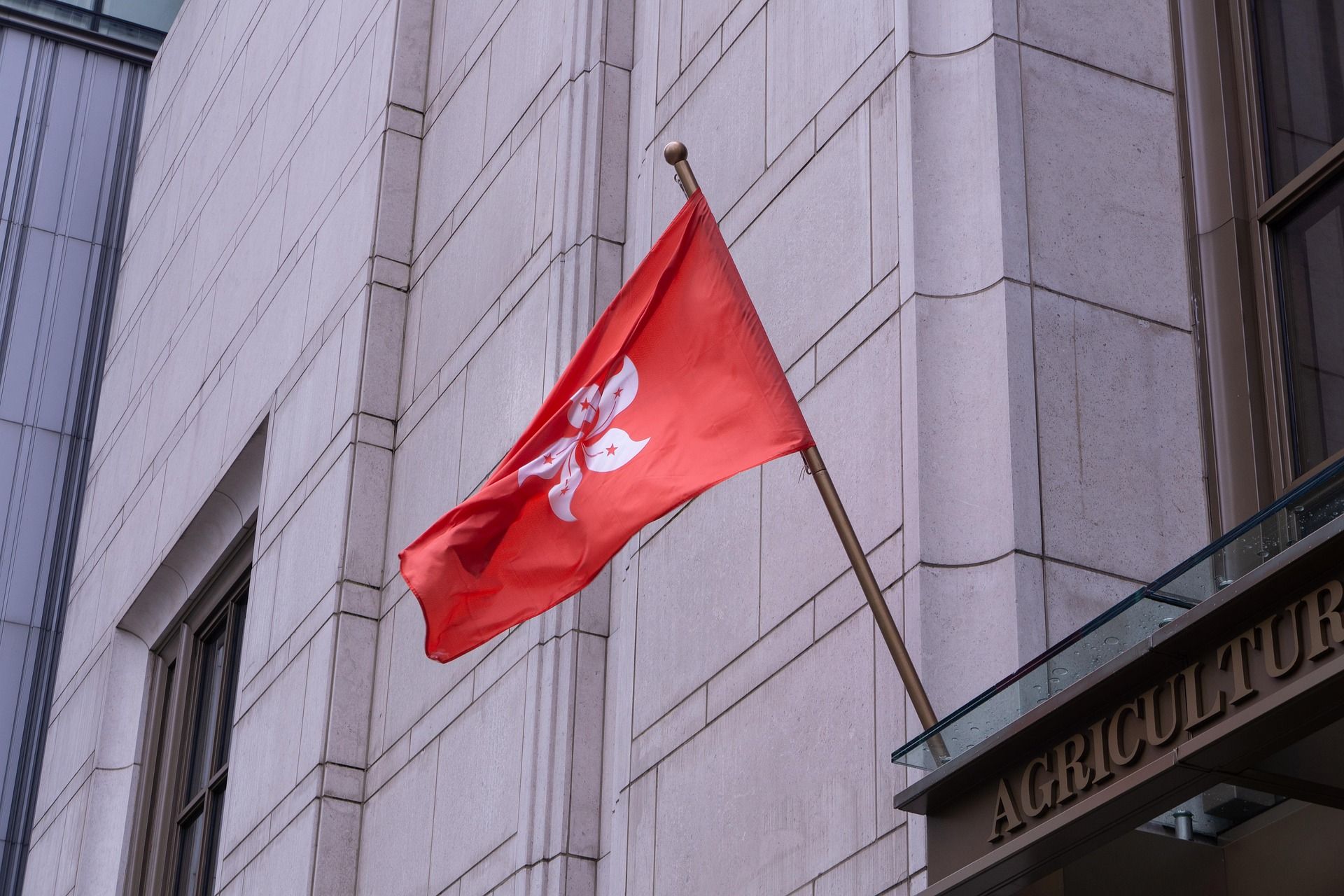
SFC crypto regulations for retail investors
When retail trading opened in June 2023, the SFC bolted on protections that make licensed platforms feel more like a securities broker than a typical crypto app. Before you can buy, a licensed platform must test your knowledge of virtual assets (and train you if you fail), profile your risk tolerance, and set a personal exposure limit. Retail users may only trade "eligible large-cap" tokens: coins that appear in at least two acceptable indices from two independent index providers, with a track record. In practice that means Bitcoin, Ether and a short list of other majors, which is why the coin menu on a licensed app looks thin next to an offshore one.
Custody rules are the part that actually protects your money. Client assets sit with an associated entity on trust, the original rules required 98% of client coins in cold storage, and platforms need insurance or compensation arrangements. Platforms may not bribe you to trade with gifts, and the old ban on affiliated market makers was only relaxed in February 2026 with information barriers attached.
The rules have loosened in places since then, deliberately. In November 2025 the SFC scrapped the 12-month track-record test for products sold to professional investors, and let HKMA-licensed stablecoins reach retail users without it. Banks and brokers can plug you into the same licensed venues: ZA Bank started retail BTC and ETH trading via HashKey in November 2024, and brokers such as Tiger run omnibus accounts where you move only Hong Kong dollars in and out. Futu now trades through its own licensed platform, PantherTrade, and Victory routes transfers through a HashKey channel, so both let you withdraw coins to your own wallet.
Prefer paying by card rather than bank transfer?
Licensed local platforms mostly take FPS and bank transfers. If you want a card or Apple Pay top-up, international apps offer it — without SFC protection.
Policy Statement 2.0, LEAP and the ASPIRe roadmap
Hong Kong’s crypto rules move in response to two kinds of document: Government policy statements, which set direction, and SFC circulars, which change what platforms may actually do on Monday morning.
From the 2022 Policy Statement to Policy Statement 2.0
The October 2022 Policy Statement was published during FinTech Week, when the city was trying to reverse the impression that it would follow Beijing’s line. It committed to retail access, VA ETFs, a stablecoin framework and pilots such as a tokenised green bond and the e-HKD. Almost all of that has since happened.
Policy Statement 2.0, released on 26 June 2025, swapped "virtual assets" for "digital assets" and organised the next phase under the acronym LEAP: Legal and regulatory streamlining (one framework for exchanges, stablecoin issuers, dealers and custodians); Expanding tokenised products (regular tokenised government green bonds, clearer stamp duty for tokenised ETFs); Advancing use cases (stablecoin licensing, law-enforcement cooperation); and People and partnerships. The legal definition in Cap. 615 still says "virtual asset", so you will see both terms.
ASPIRe and what changed in 2025–26
The SFC’s ASPIRe roadmap of 19 February 2025 — Access, Safeguards, Products, Infrastructure, Relationships — listed twelve initiatives. The ones that have turned into rules so far:
- Staking (7 Apr 2025): licensed platforms and SFC-authorised VA funds may stake; three VA ETFs had approval to stake by early 2026.
- Shared order books (3 Nov 2025): a licensed platform may pool liquidity with an affiliated overseas exchange, with prior SFC approval.
- Margin financing (11 Feb 2026): brokers may lend against crypto trades for existing securities-margin clients, with only BTC and ETH accepted as collateral at a haircut of at least 60%.
- Perpetual contracts (11 Feb 2026): a high-level framework for professional-investor-only perps, with leverage limits and liquidation rules.
A caution on timing: a framework is not a product. We could not confirm a live perpetual-contract market or a live shared order book on a Hong Kong platform by 30 September 2026. Reports that Futu received the first margin-financing approval in June 2026 come from the trade press, not from an SFC announcement.
AML crypto rules in Hong Kong you will actually meet
Anti-money-laundering law is where regulation stops being abstract. Under Cap. 615 every licensed platform runs full customer due diligence: Hong Kong ID or passport, address proof, and source-of-funds questions for larger or riskier accounts, with records kept for five years.
The Travel Rule has applied since 1 June 2023. When a licensed platform sends or receives a transfer of HK$8,000 or more, it must pass on originator and beneficiary details, and it must check who is on the other end. That is why a withdrawal to your own hardware wallet may trigger a request to prove you control the address, and why a deposit from an unknown offshore exchange can sit on hold. Our guide to cashing out crypto to HKD walks through how to avoid those stalls.
Money changers and remittance shops are licensed separately by Customs as Money Service Operators; they must do due diligence on occasional transactions of HK$8,000 or more, and operating without an MSO licence carries a HK$1 million fine and two years’ jail. Carrying physical cash above HK$120,000 across the border — say, notes from a coin-shop sale — requires a declaration to Customs under Cap. 629.
If your bank account gets frozen after receiving FPS money from a stranger’s P2P trade, this is the machinery you have run into. Our guide to crypto scams and frozen accounts explains how to report and what the police can do.
OTC shops, ATMs and the coming dealer and custodian bill
Here is the gap in Hong Kong crypto regulation that matters most on the street. The roughly 200 physical coin shops in Mong Kok, Tsim Sha Tsui and Sheung Wan, and the city’s Bitcoin ATMs, are not licensed for crypto dealing by anyone today. A shop needs an MSO licence only if it also changes or remits fiat money. Pure cash-for-BTC is, for now, outside VA-specific licensing.
That is changing. After a 2024 plan to put OTC shops under Customs, the Government moved the job to the SFC. Joint FSTB–SFC consultations on VA dealing and VA custody ran from June to August 2025, and conclusions were published on 24 December 2025. The proposals: dealing rules that mirror an SFO Type 1 licence, paid-up capital around HK$5 million for dealers, custody that keeps private keys in Hong Kong, and — crucially — no transitional or deemed-licence period. A further consultation on VA advisers and managers closed in January 2026.
One layer already bites: since the Stablecoins Ordinance took effect on 1 August 2025, only licensed parties may offer fiat-referenced stablecoins to the public. Several shops paused USDT sales; others kept trading "by private inquiry". We map the shops that remain, with their legal risk, in our crypto shop directory and the OTC desks guide. Sheung Wan’s money-changer strip features in our Central and Sheung Wan district page, with the robbery cases that make large cash deals there risky.

What JPEX taught regulators — and what it should teach you
JPEX is the reason the licensing rules have teeth. The platform was never licensed in Hong Kong, but it was everywhere in 2023: influencer videos, MTR ads, and physical OTC shops that sold its tokens over the counter. It claimed licences from the US, Canada, Australia and Dubai. The SFC publicly warned about it on 13 September 2023; withdrawals froze within days.
The police count more than 2,700 victims and losses above HK$1.6 billion. By March 2026, 26 people had been charged, including influencers, with offences ranging from conspiracy to defraud to the first prosecution for fraudulently inducing investment in virtual assets under Cap. 615. Three suspects remain wanted on Interpol Red Notices.
The lesson that still applies: a platform’s marketing, office or famous promoters tell you nothing. The only test is whether its legal entity appears on the SFC’s licensed list — and whether the website you are using is really its website. The SFC’s alert list has lately filled with look-alike domains copying HashKey, DFX Labs and EX.IO, so type addresses yourself rather than following ads.
What is legal for you as an individual
Putting it together, here is how Hong Kong crypto law applies to an ordinary resident in September 2026.
Holding crypto in a self-custody wallet is legal and unregulated. Trading on a licensed VATP is the route the regulator recommends: you get segregation, cold storage and a complaint channel, at the cost of a smaller coin list and bank-transfer funding. Buying spot Bitcoin, Ether or Solana ETFs through an ordinary brokerage account is another fully regulated option; see our HKEX crypto ETF guide.
Using an offshore platform is not an offence for you, but you are outside the Hong Kong safety net. If you go that way, choose a firm with real licences elsewhere and read its terms. CEX.IO, for example, founded in London in 2013, is registered as a money services business with FinCEN in the US and holds a Gibraltar DLT licence and VASP registrations in Spain and Lithuania; Hong Kong residents contract with its international entity. It is not licensed by the SFC, and the SFC’s recommended route remains a licensed local platform.
Mining is legal and not specifically licensed, though Hong Kong electricity prices make it a hobby rather than a business for most people. Paying or being paid in crypto is legal too, but it does not make crypto legal tender, and income is still income: our Hong Kong crypto tax guide explains when profits tax or salaries tax kicks in.
Ready to make your first purchase?
Start small, keep records, and choose a platform whose licence status you have checked yourself.
Try it with HK$100 Operating since 2013 · Card & Apple Pay · Registered in the US, Gibraltar and SpainThe rules will keep moving. The dealer and custodian bill, HKD stablecoins reaching retail, and CARF tax reporting from January 2027 will all change the details on this page. We re-check the SFC and HKMA registers every month; the date at the top tells you when we last did.
Frequently asked questions
Is crypto legal in Hong Kong?
Yes. Buying, holding and selling cryptocurrency is legal for individuals in Hong Kong. What is regulated is the business side: anyone running a crypto exchange for Hong Kong users needs an SFC licence under Part 5B of the Anti-Money Laundering and Counter-Terrorist Financing Ordinance (Cap. 615), and only HKMA-licensed issuers may offer fiat-referenced stablecoins to the retail public.
Is Bitcoin legal in Hong Kong?
Bitcoin is legal to own, trade, send and receive in Hong Kong. It is not legal tender, so shops do not have to accept it, but there is no ban. Retail investors can buy it on the 13 SFC-licensed trading platforms, through brokers with a virtual-asset uplift, or indirectly through the spot Bitcoin ETFs listed on HKEX since April 2024.
Is crypto banned in Hong Kong like in mainland China?
No. Mainland China’s 2021 restrictions do not apply in Hong Kong, which runs its own financial rules. Hong Kong chose licensing rather than prohibition: since 1 June 2023 retail investors may trade on SFC-licensed platforms, and the Government’s 2022 and 2025 policy statements explicitly aim to grow a regulated digital-asset market.
Is it illegal to use Binance, Bybit or OKX from Hong Kong?
Using an offshore exchange is not a criminal offence for an individual. The offence under Cap. 615 falls on the operator: running an unlicensed platform or actively marketing it to the Hong Kong public carries up to HK$5 million and seven years’ jail. The catch for you is protection: if an unlicensed platform freezes or collapses, the SFC cannot help you get money back.
What licence does a crypto exchange need in Hong Kong?
A centralised exchange serving Hong Kong investors needs a virtual asset trading platform (VATP) licence from the SFC under Cap. 615 Part 5B, and usually SFO Type 1 and Type 7 licences as well if it also handles security tokens. As of the SFC list updated 29 May 2026, 13 platforms held that licence, with six more applications pending.
Is crypto mining legal in Hong Kong?
There is no law in Hong Kong that bans or specifically licenses crypto mining. It is rarely economic because electricity and floor space are expensive. If you mine in an organised, profit-seeking way, the Inland Revenue Department treats it as a business, so profits tax may apply under the principles in DIPN 39.
Do crypto OTC shops in Hong Kong need a licence?
Not yet for crypto itself. Physical coin shops need a Money Service Operator licence from Customs only if they also change or remit fiat money. The Government plans a bill in 2026 for an SFC-licensed virtual asset dealer regime with no transitional period, so unlicensed shops will have to stop once it takes effect.
Sources & further reading
- SFC — Lists of virtual asset trading platforms · updated 29 May 2026
- SFC — Guidelines for Virtual Asset Trading Platform Operators · June 2023
- SFC — ASPIRe regulatory roadmap · 19 Feb 2025
- Government — Policy Statement 2.0 on the Development of Digital Assets · 26 Jun 2025
- Government — Policy Statement on Development of Virtual Assets · 31 Oct 2022
- LegCo Panel on Financial Affairs — digital asset update paper · 28 May 2026
- FSTB — VA dealing and custodian consultation conclusions · 24 Dec 2025
- Customs and Excise — Money Service Operators · accessed Sep 2026
- Cap. 615 — Anti-Money Laundering and Counter-Terrorist Financing Ordinance · current
- HKFP — 16 charged in JPEX case · 5 Nov 2025
Know the rules, then pick your route
Licensed local platforms give you the SFC safety net; international apps give you card top-ups and more coins. Decide with your eyes open.
Operating since 2013 · Card & Apple Pay · Registered in the US, Gibraltar and Spain · Why this pick?