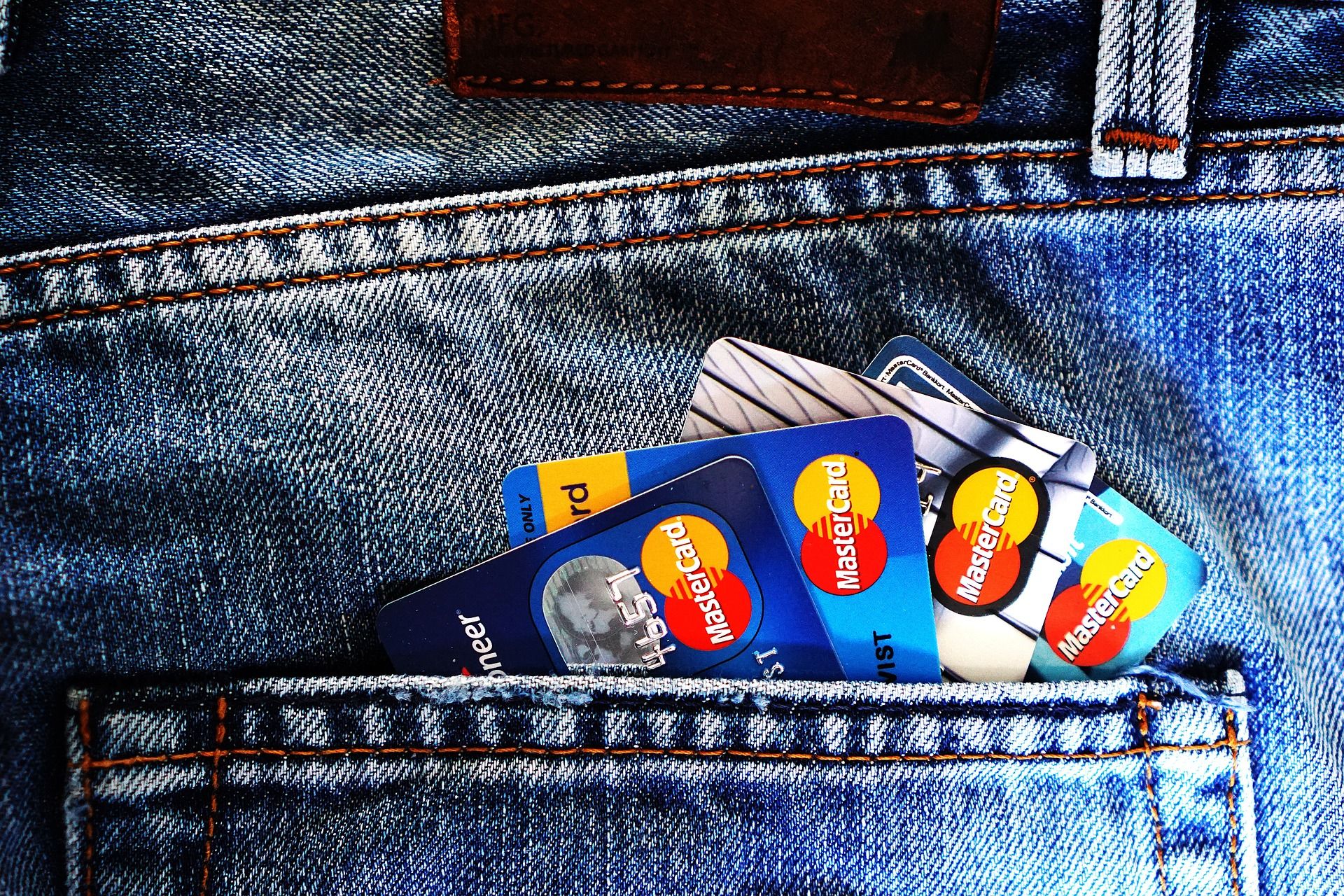
The crypto card options in Hong Kong come in three types. RedotPay's Hong Kong-based Visa card lets you spend stablecoins and crypto. The HashKey × Shanghai Commercial Bank Visa Signature is a normal HKD credit card that pays rewards as vouchers for buying crypto. Or you can use your ordinary bank card to buy coins online. None of the three is a crypto product licensed by the SFC.
The phrase "crypto card" gets used loosely in ads, and that is how people end up with the wrong product. This guide separates the three, sets out the fees that are actually published, explains what happens when you use a crypto card at an ATM, and is plain about which licence each issuer does or does not hold. If you are here because you want to cash out rather than spend, our guide to selling crypto in Hong Kong compares every off-ramp, including the card route.
Three kinds of crypto card in Hong Kong
Start with what the card does to your money, not the logo on it. A crypto spending card holds a balance in stablecoins or crypto and converts it to Hong Kong dollars, or whatever the merchant charges in, at the moment you tap. A crypto rewards credit card is a normal bank credit card billed in HKD, whose rewards arrive in a crypto-linked form. And a card used to buy crypto is simply your existing Visa or Mastercard, used on an exchange instead of at a shop.
| Card | What it does | Published costs | Licence position |
|---|---|---|---|
| RedotPay (HK-based fintech) | Prepaid-style Visa card: spend stablecoins and crypto | Virtual 10 USDT, physical 100 USDT; ATM 2%–3%; card top-up 3% | HK money lender's licence shown on site; no SFC licence |
| HashKey × Shanghai Commercial Bank Visa Signature | HKD credit card; rewards become HashKey vouchers | 2% local / 4% overseas (promotional); 250 points = HK$1 | Bank-issued card; HashKey Exchange is SFC-licensed |
| Your own HK credit or debit card at a platform | Buy crypto online by Visa, Mastercard or Apple Pay | Platform card fee; possible cash-advance fee from issuer | Depends on the platform: licensed (OSL) or offshore |
The distinction matters most when something goes wrong. A bank credit card comes with the bank's dispute process and HKMA supervision of the bank. A prepaid crypto card from a fintech company has neither of those for your crypto balance. An exchange purchase is only as protected as the exchange itself, which is why the SFC's list of licensed crypto exchanges is the first thing to check.
RedotPay: the Hong Kong crypto debit card
RedotPay is the name most Hong Kong users mean when they say crypto card. The company, founded in 2023 and headquartered in Central according to third-party reviews, issues Visa cards, both virtual and physical, that draw on a balance of stablecoins or crypto. Its homepage claims more than 9 million users in over 100 countries and describes itself as a fintech service provider, not a bank. You top up with USDT, USDC or other coins, and the card converts at the point of sale, so a HK$300 dinner in Causeway Bay is paid in HKD while your USDT balance drops.
The fees below come from CryptoSlate's review, last updated on 20 September 2026, because RedotPay's own homepage does not publish them. A virtual card costs 10 USDT and a physical card 100 USDT, both non-refundable. Top-ups are free on-chain but cost about 3% if you fund the card with another credit or debit card. ATM withdrawals need the physical card and cost 2% on the first US$10,000 a month and 3% above that, with a further 1.2% FX charge on foreign-currency withdrawals. Supported coins listed include USDT, USDC, BTC, ETH, BNB, SOL, TON, TRX and XRP.
What RedotPay is not: an SFC-licensed platform. The licence displayed in its site footer is a Hong Kong money lender's licence (No. 1715/2025), which is a different regime entirely. That does not make the card unsafe, but it does mean your crypto balance has no SFC or investor-compensation protection. Treat the card balance like cash in your pocket: keep only what you plan to spend.

The HashKey × Shanghai Commercial Bank Visa credit card
On 14 July 2026, Shanghai Commercial Bank and HashKey launched a Visa Signature credit card for Hong Kong residents. It is the closest thing the city has to a crypto credit card, and it is worth understanding exactly how it works. The card is an ordinary HKD credit card issued by a licensed bank. You spend in Hong Kong dollars, you get a monthly statement, you pay it off. The crypto link is in the rewards: points earned, promoted at 2% on eligible local spending and 4% on eligible overseas spending as promotional rates, convert monthly into HashKey HKD cash vouchers at 250 points to HK$1.
Those vouchers can be used on HashKey Exchange to buy supported cryptocurrencies or offset trading fees. According to crypto.news, eligibility requires you to be a Hong Kong resident aged 18 or over with a HashKey Exchange account, and the launch offer was up to HK$1,200 in vouchers or HK$1,000 in spending credit, subject to terms. The card does not let you pay with crypto at checkout; the credit card, the reward conversion and the crypto purchase stay as separate steps. The upside of that design is regulation: the card sits with a bank, and HashKey Exchange is on the SFC's licensed list. Our HashKey Exchange review covers the platform where the vouchers land.
Just want to buy a little crypto by card?
Online platforms accept Visa, Mastercard and Apple Pay, no new card application needed.
Buy crypto with a credit card in Hong Kong
For most people the practical question is simpler: can I use the card I already have? Often, yes. OSL, one of the SFC-licensed platforms, accepts Visa, Mastercard and Apple Pay alongside FPS and bank transfer, according to its own February 2026 guide. That is the regulated route, and our OSL review explains the onboarding. HashKey Exchange relies mainly on bank rails such as eDDA and FPS.
Two things can go wrong at the card end. First, some issuers block payments to crypto merchant codes outright; HSBC is reported to block credit-card crypto purchases, though we could only find this in secondary sources. Second, even when a purchase goes through, some issuers classify it as a cash advance. That typically means a fee on the spot and interest from the day of purchase, with no interest-free period. Read your card's terms or call the bank first, and if you use a debit card linked to your bank account, those issues mostly disappear.
Offshore exchanges also take cards. CEX.IO, founded in London in 2013, accepts Visa, Mastercard, Apple Pay and Google Pay, with card fees of 0.49% to 4.99% plus a service charge depending on card and region, and daily and monthly limits of US$1,000 and US$3,000 for new customers. It holds US money-transmitter licences, a Gibraltar DLT licence and Spanish and Lithuanian VASP registrations, but it is not licensed by the SFC, and Hong Kong users contract with its international entity. The SFC recommends licensed platforms, and you would have no Hong Kong investor protection there. Our CEX.IO review sets out those trade-offs.
Compared with the physical options, card purchases usually win on cost. A CoinHero Bitcoin ATM charges 13% plus HK$100 to buy, and the cheapest walk-in crypto shops still need you to carry cash. If speed is what you are after, our quickest way to buy crypto guide times each route.
Cash withdrawals from a crypto card
A physical crypto card can pull HKD notes from an ordinary bank ATM, which turns it into an informal off-ramp. It is convenient, especially for visitors arriving at the airport or staying in Tsim Sha Tsui, where there are bank ATMs on every block but few crypto machines that pay out. Our Lantau and airport guide covers what to do on arrival, and the Tsim Sha Tsui page lists the cash options nearby.
It is not cheap, though. On the RedotPay figures above, a HK$5,000 withdrawal costs about HK$100 in card fees, before any charge the ATM owner adds, and the stablecoin-to-HKD conversion carries its own spread. For larger sums, selling on a licensed exchange and withdrawing HKD by FPS to your bank is cheaper and leaves a clean record, which matters if your bank ever asks where the money came from.
What works
- Spend stablecoins anywhere Visa is accepted
- Withdraw HKD at ordinary bank ATMs
- Virtual card in minutes, no bank account needed
- Credit-card rewards can fund crypto buys with no extra cash
Watch out for
- ATM and top-up fees stack up quickly
- No SFC or compensation protection for fintech card balances
- Some issuers block or reclassify crypto purchases
- Rules may change when the dealer licence starts
What licences crypto card issuers have, and do not
Hong Kong has no licence designed for crypto card issuers. The SFC licenses virtual asset trading platforms, and a bank-issued card such as the Shanghai Commercial Bank one falls under ordinary banking supervision. A fintech card that converts your crypto at the till fits neither box neatly. RedotPay shows a money lender's licence; that regime covers lending, not crypto conversion.
That gap may close. When the government and the SFC replaced their earlier Customs-based plan with a virtual asset dealer regime in June 2025, they said the consultation had shown business models beyond coin shops and ATM networks, naming broker-dealers, card networks and institutional OTC. The regime covers crypto-for-fiat dealing "through physical locations and/or other platforms", and the government aims to introduce the bill within 2026 with no transition period. Whether a given card falls inside it will depend on the final text. Stablecoin rules are relevant too: since 1 August 2025 only licensed parties may offer fiat-referenced stablecoins to the public, and the first HKMA stablecoin issuer licences went to HSBC and Anchorpoint in April 2026. See our stablecoin rules page and the broader crypto regulation guide.

Which crypto card makes sense for you
If you already hold USDT and want to spend it on daily life or travel, a spending card like RedotPay does the job, as long as you accept the fees and keep the balance small. If you spend heavily on a credit card anyway and want some of that to trickle into crypto, the HashKey Visa Signature turns rewards into exchange vouchers inside a regulated setup, provided you clear the bill every month. And if you only want to buy some Bitcoin, you probably do not need a new card at all: your debit card on a licensed platform is the simplest path.
Whichever you choose, watch for the usual traps. Fake "crypto card" offers on social media that ask for a deposit to "activate" a card are a known scam pattern; our crypto scams guide covers them. Keep records of top-ups and conversions in case you trade often enough for crypto tax questions to arise. And check the SFC lists before trusting any platform that sits behind a card.
Frequently asked questions
What is the best crypto card in Hong Kong?
It depends on what you want the card to do. To spend stablecoins or crypto at shops and ATMs, RedotPay, a Hong Kong-based Visa card, is the best-known local option. To earn crypto-linked rewards on normal HKD spending, the HashKey and Shanghai Commercial Bank Visa Signature credit card pays rewards as HashKey vouchers. Neither is regulated as a crypto product by the SFC.
Is there a crypto credit card in Hong Kong?
Yes, but not in the way people expect. The HashKey × Shanghai Commercial Bank Visa Signature card, launched on 14 July 2026, is a normal HKD credit card issued by a bank. Its rewards, promoted at 2% local and 4% overseas, convert into HashKey HKD cash vouchers you can use to buy crypto. It does not spend crypto at checkout.
Can I buy crypto with a credit card in Hong Kong?
Often, yes. OSL, an SFC-licensed platform, accepts Visa, Mastercard and Apple Pay. But some issuers block crypto merchant codes, and HSBC is reported to block credit-card crypto purchases. Others may treat the purchase as a cash advance, with a fee and interest from day one. Check your card terms before you try.
Is there a crypto debit card in Hong Kong?
Prepaid-style crypto cards such as RedotPay work like a debit card: you top up with stablecoins or crypto, and the card converts to fiat when you pay. Reviews list a 10 USDT virtual card and a 100 USDT physical card. It is a fintech service, not a bank account, and holds no SFC licence.
Can I withdraw cash from a crypto card at a Hong Kong ATM?
With a physical RedotPay card, yes, at bank ATMs on the card network. CryptoSlate lists a 2% fee on the first US$10,000 a month and 3% above, plus about 1.2% FX on foreign-currency withdrawals. The bank that owns the ATM may add its own charge. That makes it one of the pricier crypto off-ramps.
Are crypto cards regulated in Hong Kong?
Not as crypto products. No SFC licence exists for card issuers that convert crypto at the point of sale. RedotPay's site shows a Hong Kong money lender's licence, which is not a virtual asset licence. The government's 2025 dealer consultation named card networks among the business models it looked at, so the new regime may reach them.
Sources & further reading
- SFC — Lists of virtual asset trading platforms · updated 29 May 2026
- FSTB & SFC — Legislative proposal to regulate dealing in virtual assets · 27 Jun 2025
- Government — Consultation conclusions on VA dealing and custodian regimes · 24 Dec 2025
- HKMA — First stablecoin issuer licences · 10 Apr 2026
- RedotPay — Official site (licence footer, user figures) · accessed 30 Sep 2026
- CryptoSlate — RedotPay card review (fees and limits) · updated 20 Sep 2026
- crypto.news — HashKey and Visa launch Hong Kong credit card · Jul 2026
- CEX.IO — Buy Bitcoin (card payment fees) · accessed 30 Sep 2026
Buy your first coins by card
If all you need is to turn a Visa or Apple Pay balance into crypto, an online purchase takes minutes.
Operating since 2013 · Card & Apple Pay · Registered in the US, Gibraltar and Spain · Why this pick?